From Doorstep Delivery to Secure Storage: How Parcel Boxes Are Shaping Electronic and Mechanical Locking Solutions
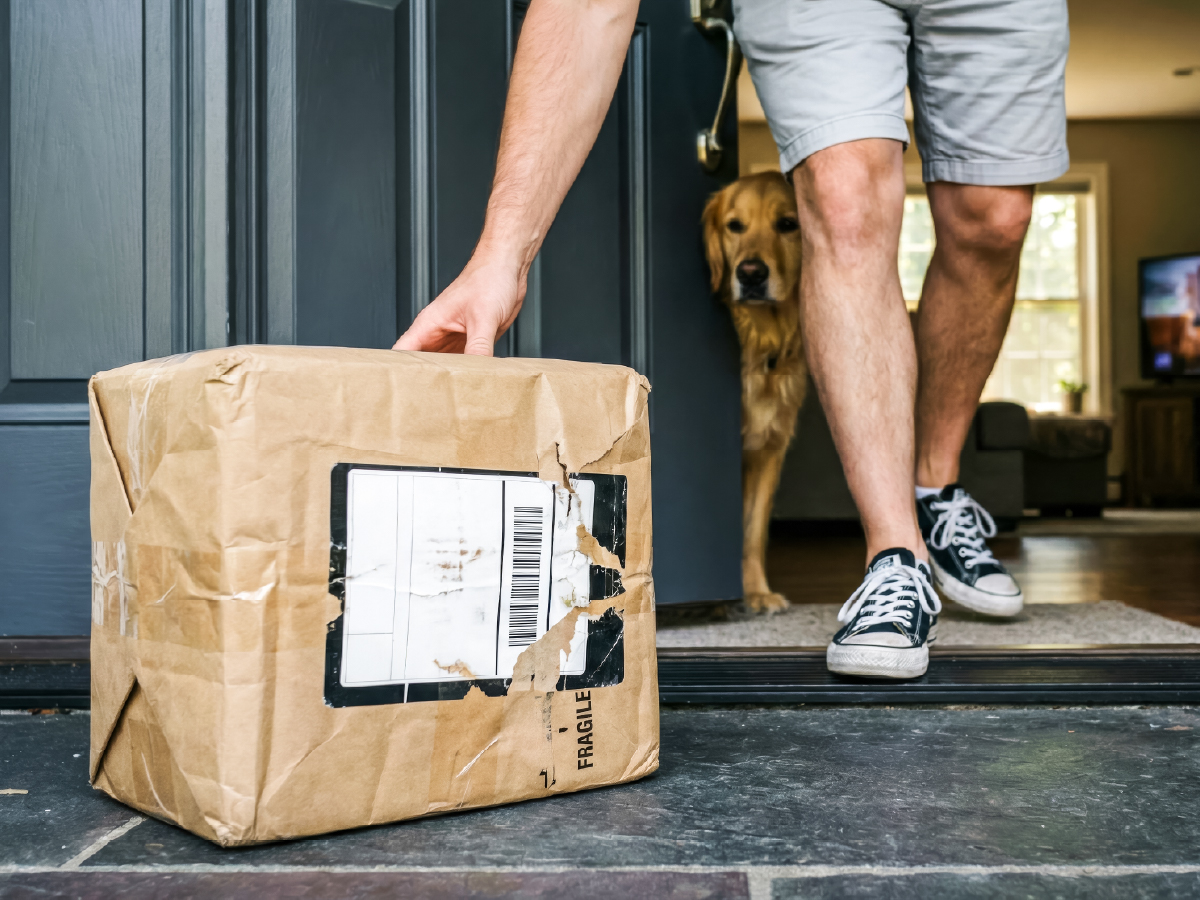
As e-commerce and contactless delivery become part of everyday life, securing parcels during the last mile is increasingly important. Package theft, exposure to rain and failed delivery attempts all raise a practical question: how can deliveries be stored safely when nobody is available to receive them?
Parcel delivery boxes and smart parcel lockers offer flexible receiving options, but the enclosure alone cannot address every security concern. Effective solutions combine dependable locking mechanisms with practical deposit openings, secure door structures and appropriate access arrangements.
For manufacturers developing equipment for different residential settings, RFID electronic cabinet locks and mechanical combination cabinet locks provide two distinct approaches to product design.
Japan's Logistics Policy Supports More Flexible Parcel Receiving
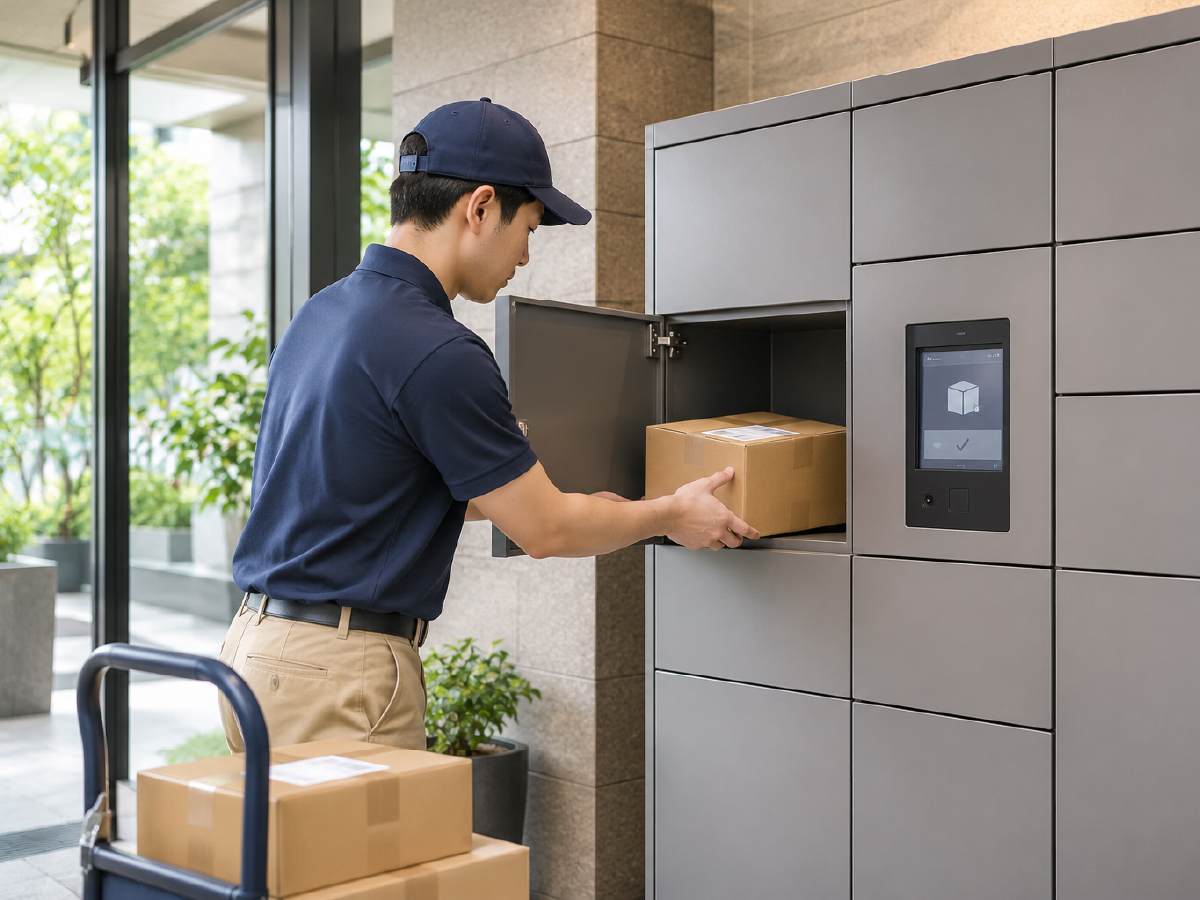
Japan illustrates how logistics policy can shape parcel box development. On March 31, 2026, the government approved its Comprehensive Logistics Policy Outline for FY2026–2030, promoting more efficient last-mile delivery and alternative receiving methods such as parcel boxes and designated drop-off locations.
The government aims to increase utilization of diversified parcel receiving methods to approximately 50% by FY2030. Importantly, this target covers several receiving options rather than parcel lockers alone.
According to a survey released by Japan's Ministry of Land, Infrastructure, Transport and Tourism (MLIT) in July 2026, utilization reached 31.0% in April 2026, up 1.1 percentage points from the previous survey. The redelivery rate during the same period was 7.6%. These figures highlight the ongoing push to reduce repeated deliveries and make parcel receiving more convenient.
Source: MLIT, Comprehensive Logistics Policy Outline (FY2026–2030)
Source: MLIT, Survey on the Utilization of Diversified Parcel Receiving Methods
Parcel Boxes Are Common in Condominiums, with More Room to Grow in Single-Family Homes
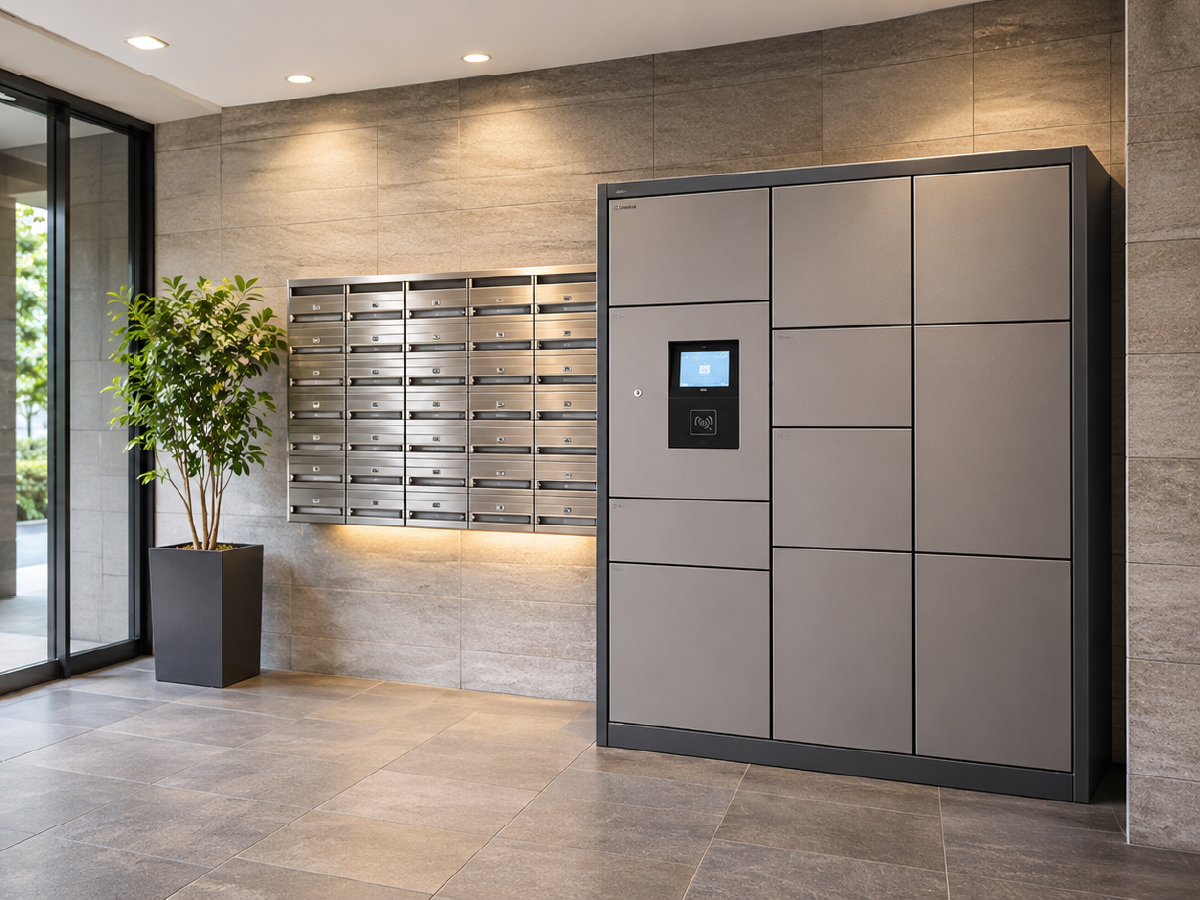
Adoption varies by housing type. According to Japan's FY2024 Housing Market Trends Survey, 85.0% of newly purchased condominium units have parcel boxes, compared with 38.1% of custom-built single-family homes, 52.8% of newly purchased single-family homes and just 18.0% of existing single-family homes.
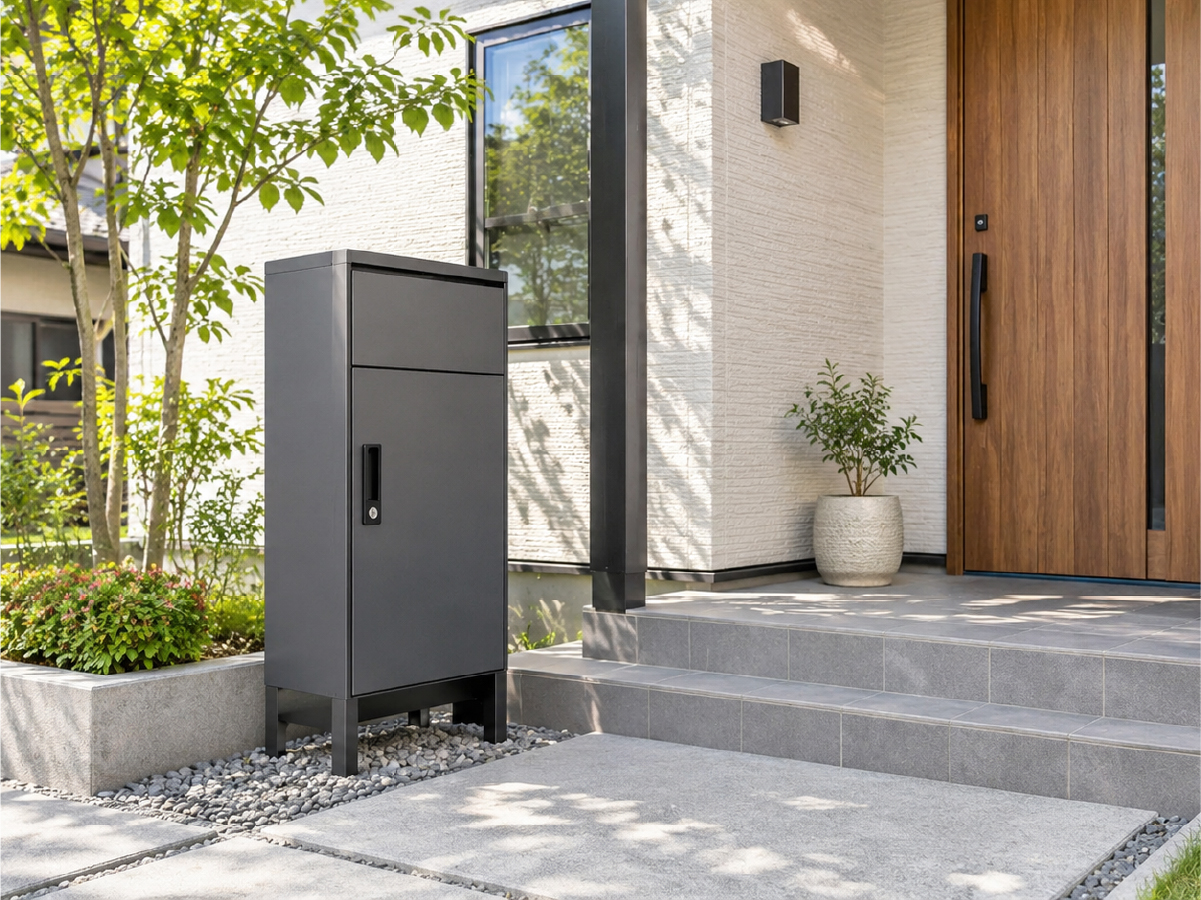
While parcel boxes are common in some condominium developments, single-family homes and existing-home retrofits offer further opportunities. Equipment brands and manufacturers can explore compact standalone designs for porches, entryways, exterior walls and other space-constrained locations.
Each setting brings its own requirements for enclosure size, mounting, weather protection and access management, creating demand for adaptable lock integration.
Beyond Storage and Weather Protection
Why the Locking Mechanism Matters
A parcel box must be easy for delivery personnel to use without allowing unauthorized access to its contents. The enclosure helps shield packages from rain, dust and external conditions, while the lock helps keep the door securely closed after delivery.
Achieving both convenient deposits and restricted retrieval requires the locking mechanism, deposit opening, door and anti-retrieval features to be considered as one system. The right solution depends on how the box will be installed and managed.
RFID Electronic vs. Mechanical Cabinet Locks
Which Fits Your Application?
Both technologies have clear strengths. RFID locks emphasize convenient identification and potential integration with electronic access management, while mechanical locks offer power-free operation and simpler maintenance.
Manufacturers should assess the user workflow, enclosure design, environment and security requirements before selecting a solution.
-
RFID Electronic Cabinet Locks
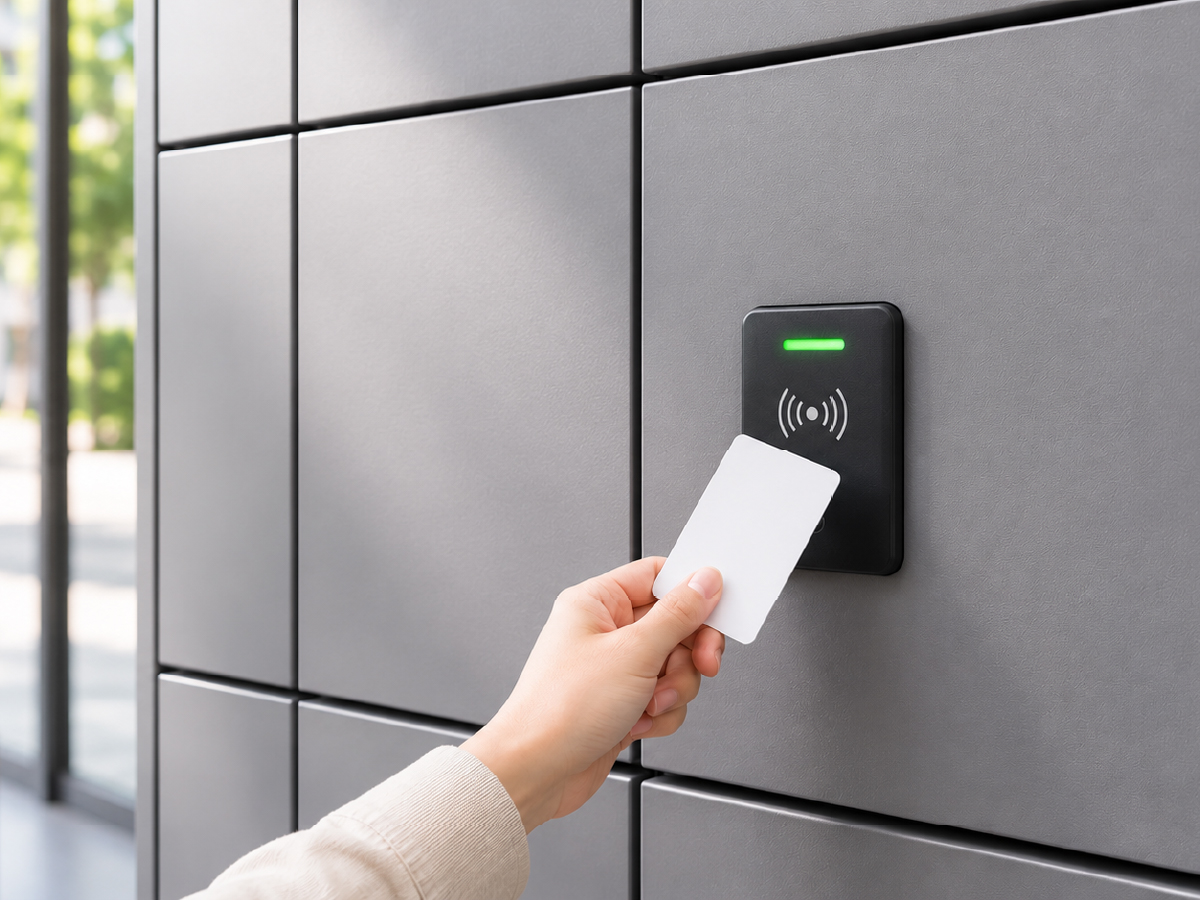
For Smart Parcel Locker ApplicationsFor apartment buildings, residential communities and smart parcel lockers, RFID electronic cabinet locks offer convenient card-based access. Authorized credentials can reduce reliance on conventional keys. Where multiple users or different access permissions are required, manufacturers can evaluate integration with an appropriate electronic control system, depending on the lock and overall system architecture.
-
RFID compatibility across markets:FeliCa is widely used in Japan, while MIFARE is common in many other markets. Manufacturers should confirm RFID protocols, NFC compatibility, credential specifications and system requirements for each application. Compatibility must not be assumed across products.
-
Efficient deposits and secure collection:By coordinating electronic locks, doors and controllers, manufacturers can design workflows for authorized collection and reliable closure while maintaining convenient delivery access.
-
Outdoor protection and power management:Outdoor installations require consideration of power supply, energy consumption, water and dust protection, and maintenance intervals. Suitability must be assessed for the complete equipment design.
-
-
Mechanical Combination Cabinet Locks
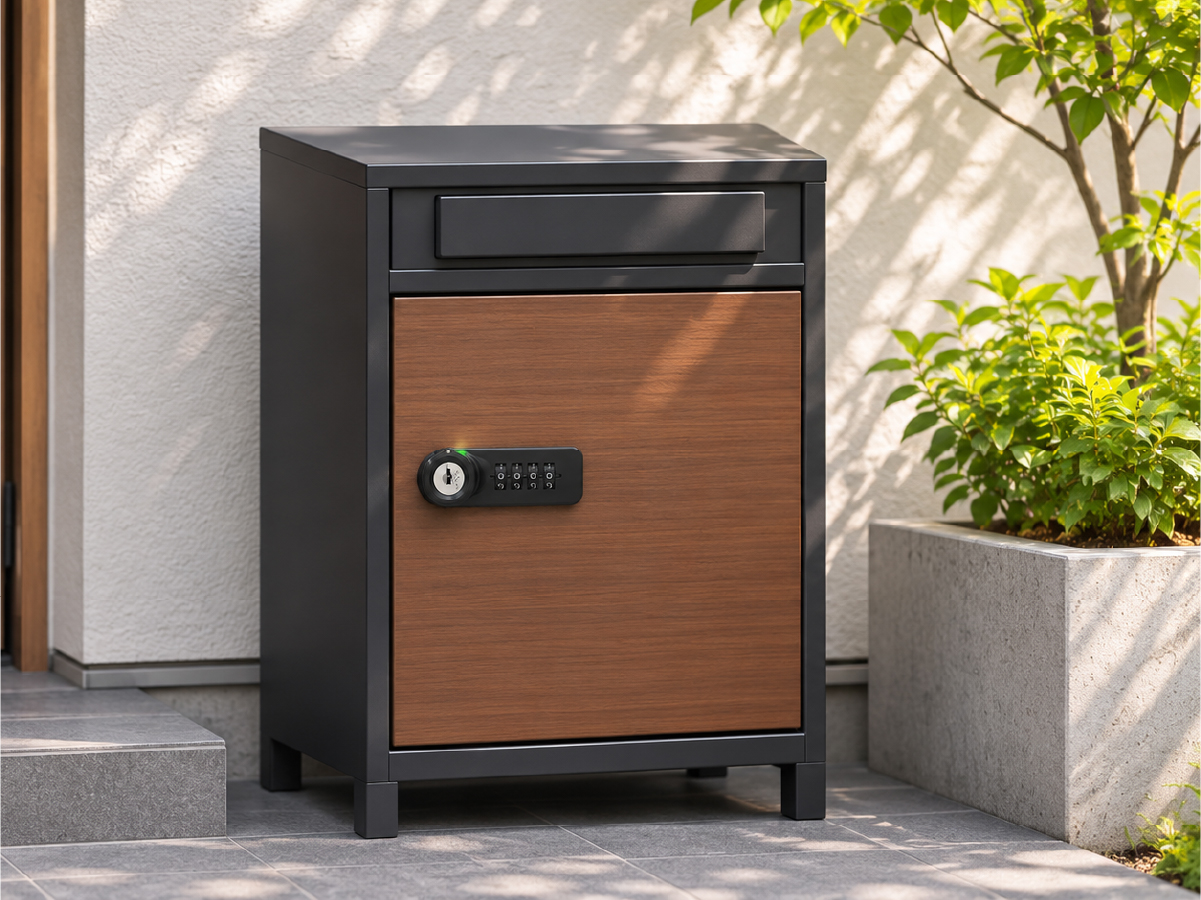
Power-Free Operation and Simpler MaintenanceFor single-family homes, non-connected parcel boxes and outdoor storage equipment, mechanical combination locks provide a power-free locking option. This can simplify installation and reduce electrical maintenance needs.
-
Resettable combinations and access management:Combination operation reduces dependence on physical keys. Depending on the model, selected SINOX mechanical cabinet locks also offer master key access, combination retrieval and code reset features to support different user and management requirements.
-
Secure deposit and mechanical integration:Locks can be coordinated with doors, latches and anti-retrieval structures to make deposits convenient while restricting unauthorized collection.
-
Outdoor durability and mounting flexibility:Power-free operation still requires attention to environmental conditions. Materials, surface finishes, corrosion exposure and mounting conditions still need to be evaluated for each installation.
-
OEM / ODM Development
Why Lock Integration Should Start Early
As parcel boxes expand from apartment buildings into single-family homes, outdoor spaces and commercial settings, manufacturers face increasingly diverse requirements. Enclosure dimensions, installation methods, access workflows and environmental protection may differ across markets.
Rather than selecting a lock after the enclosure is finished, manufacturers can plan the locking mechanism alongside the box structure. Door thickness, cam and latch configurations, mounting points, combination management and RFID modules can all affect feasibility.
For residential equipment brands, parcel box manufacturers, cabinet hardware suppliers and smart equipment developers, early collaboration with a locking solution manufacturer can help balance security, usability and product cost.
SINOX Locking Solutions
For Parcel Delivery Boxes and Storage Equipment
Since 1978, SINOX has specialized in lock design and manufacturing, with applications spanning travel and luggage, hardware, outdoor products, two-wheel mobility, computer security and cabinets.
Building on our experience with electronic and mechanical cabinet locks, SINOX works with customers to evaluate locking solutions for residential parcel boxes and smart parcel lockers. Through OEM, ODM and JDM collaboration, we explore suitable configurations based on enclosure structures, product specifications, functional needs and target markets.
From standalone parcel boxes to shared smart lockers, a reliable locking mechanism contributes to package security, everyday usability and long-term equipment performance. As receiving methods continue to evolve, thoughtful lock integration will remain an important part of product development.