How to Choose the Right Cabinet Lock: Mechanical vs. Electronic Locks Across Four Applications
As shared spaces, self-service facilities, and smart infrastructure become more common, cabinets and lockers are evolving beyond basic storage. From fitness centers and workplace lockers to automated parcel delivery systems and medical storage, each application brings different requirements for security, ease of use, and operational efficiency.
For cabinet manufacturers, product developers, and system integrators, choosing between mechanical and electronic locks is not simply a matter of adopting newer technology. The right solution depends on how often the cabinet is used, who needs access, how it is managed, and what happens when something goes wrong.
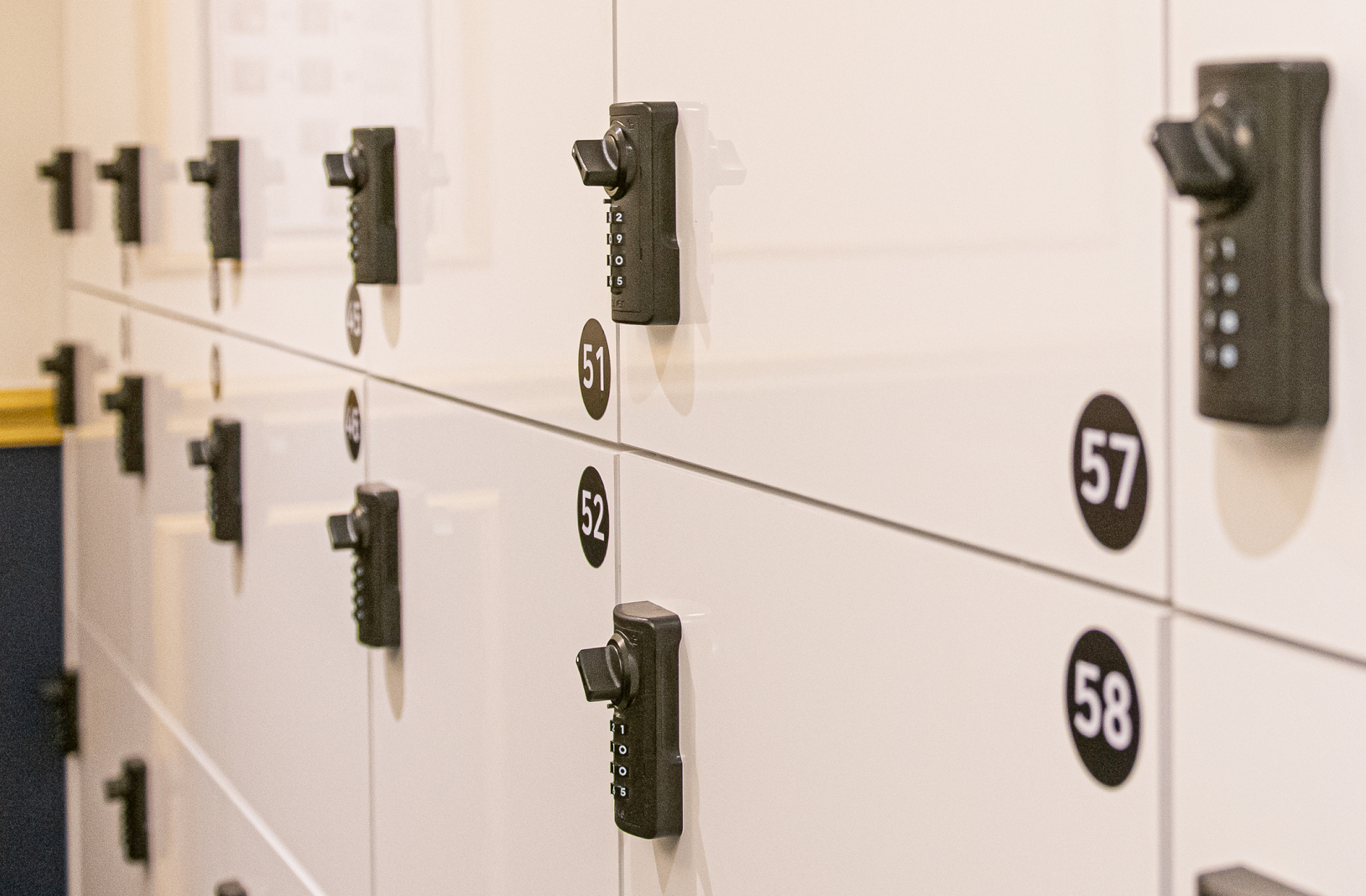
Mechanical vs. Electronic Cabinet Locks:What's the Difference?
Mechanical combination locks and keyed locks rely on physical mechanisms to secure and release a cabinet. They operate without electricity or network connectivity, making them a practical choice for applications that prioritize simplicity, straightforward installation, and low maintenance.
Electronic cabinet locks introduce additional possibilities for access control and user authentication. Depending on the design, they may support RFID (Radio Frequency Identification), NFC (Near Field Communication), access cards, or other electronic credentials. When integrated with compatible management systems, certain electronic locks can also support access logs, remote authorization, and centralized administration.
However, NFC compatibility does not automatically mean a lock can be opened with any NFC-enabled smartphone. Actual functionality depends on the lock's power source, communication protocols, and system configuration.
In general, mechanical locks are well suited to straightforward storage applications where power-free operation is preferred, while electronic locks offer greater flexibility for access control, user authentication, and system integration. The best choice ultimately depends on the operating environment, management requirements, and long-term maintenance considerations.
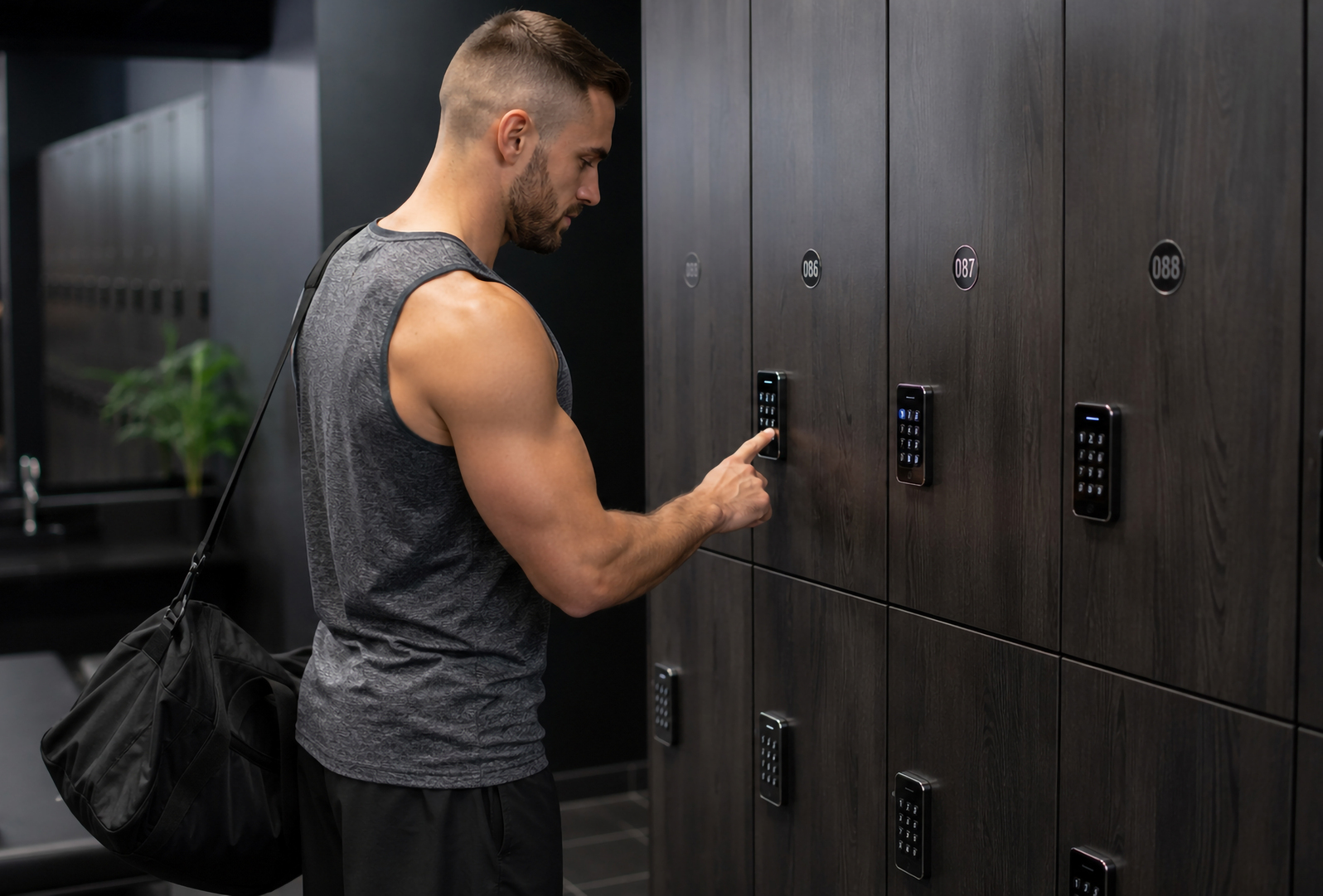
Gym Lockers
Balancing Convenience and Frequent Use
Lockers in gyms and fitness facilities experience frequent use and regular turnover between users. Locks must withstand repeated operation while remaining easy for members and staff to use.
For facility operators, selecting a locker lock involves more than comparing upfront costs. Usage patterns, member experience, and ongoing maintenance all affect long-term value.
Mechanical combination locks allow users to secure their belongings without carrying a separate key. They also operate independently of power and network connections, making them suitable for facilities with assigned lockers or relatively simple operating procedures.
In facilities with shared or temporary-use lockers, however, forgotten combinations, locker reassignment, and manual assistance can create additional administrative work.
Electronic locks can offer an alternative. Depending on the system, members may gain access using RFID cards, NFC credentials, or other authentication methods. These solutions can help streamline locker allocation and provide greater flexibility in managing shared facilities.
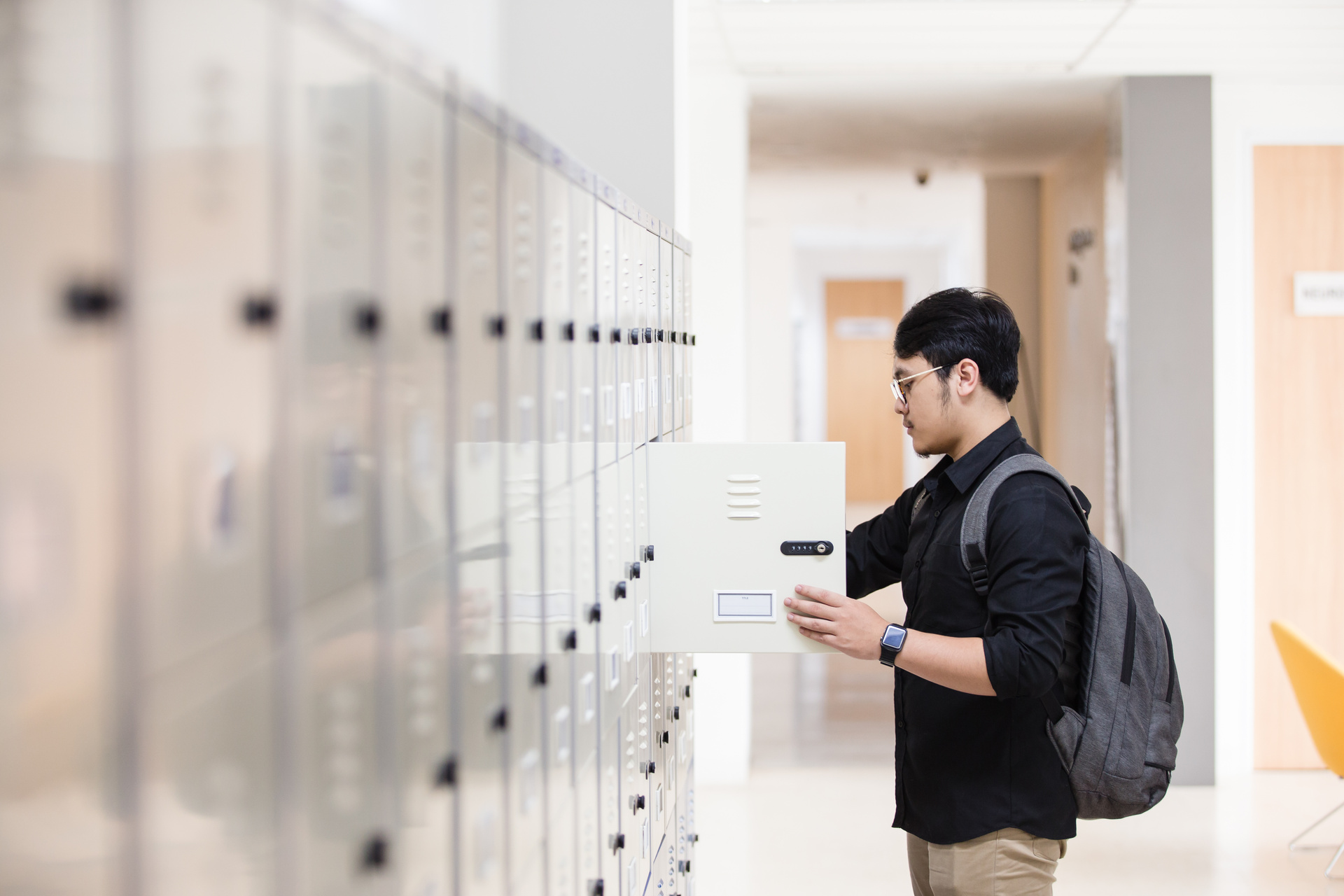
Public Lockers
Managing Cost and Efficiency at Scale
Lockers in offices, schools, transportation hubs, and public facilities often serve a broad range of users across large installations.
For environments with assigned users and limited management requirements, mechanical keyed locks and combination locks remain practical options. Their straightforward installation and lack of electrical requirements can help keep initial deployment costs under control.
As the number of lockers increases, however, operators may face challenges involving lost keys, staff turnover, temporary access permissions, and access tracking.
Depending on the system architecture, electronic locks can simplify credential management and enable centralized access control, reducing the administrative effort associated with large locker installations.
These benefits must be weighed against additional considerations, including power requirements, hardware compatibility, system maintenance, and future upgrades.
For large-scale locker projects, the key is to evaluate total cost of ownership, rather than focusing solely on the purchase price of individual locks.
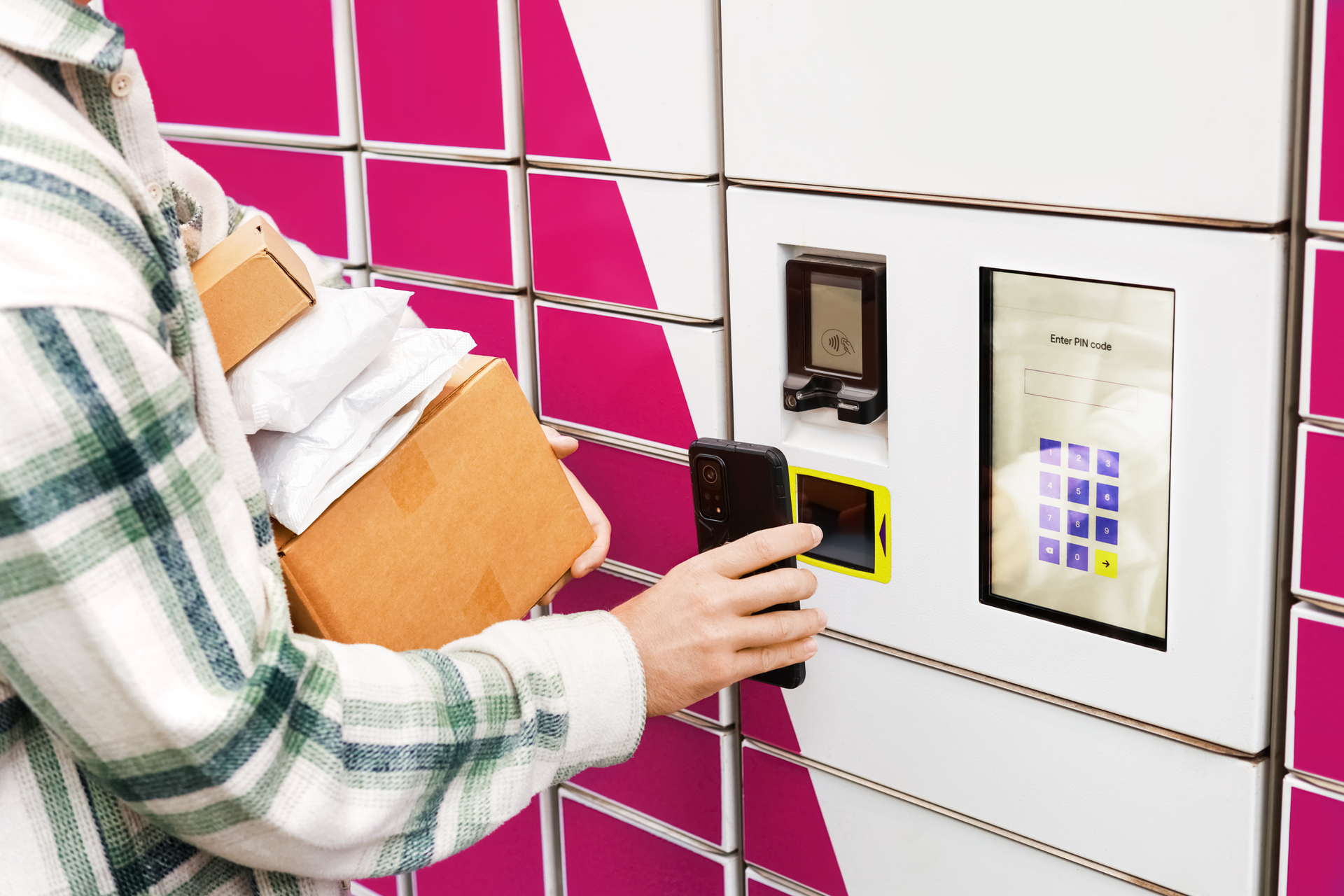
Smart Parcel Lockers
Moving Beyond the Lock to System Integration
The growth of e-commerce and self-service delivery is driving the adoption of smart parcel lockers in residential buildings, retail locations, and transportation hubs.
According to a 2026 market report by SNS Insider, the global smart parcel locker market was valued at approximately USD 1.92 billion in 2025 and is projected to reach USD 5.94 billion by 2035, with a forecast compound annual growth rate (CAGR) of 11.96% from 2026 to 2035.
As the market develops, smart parcel lockers are evolving from simple storage compartments into connected systems that can support user authentication, delivery notifications, access records, and remote management.
Compared with traditional mechanical locks, electronic locking solutions are generally better suited to integration with logistics platforms, mobile applications, and temporary access authorization systems.
Greater connectivity, however, also introduces new design considerations. Power failures, network interruptions, hardware malfunctions, and compatibility with user devices must all be addressed to maintain reliable operation.
For smart parcel locker manufacturers and system integrators, success depends on more than the unlocking mechanism itself. The lock, cabinet hardware, and management platform must work together to deliver a reliable and seamless user experience.
Source:SNS Insider, Smart Parcel Locker Market Size, Share & Global Forecast 2026–2035(2026)
Medical and Controlled-Access Cabinets
Prioritizing Accountability and Reliability
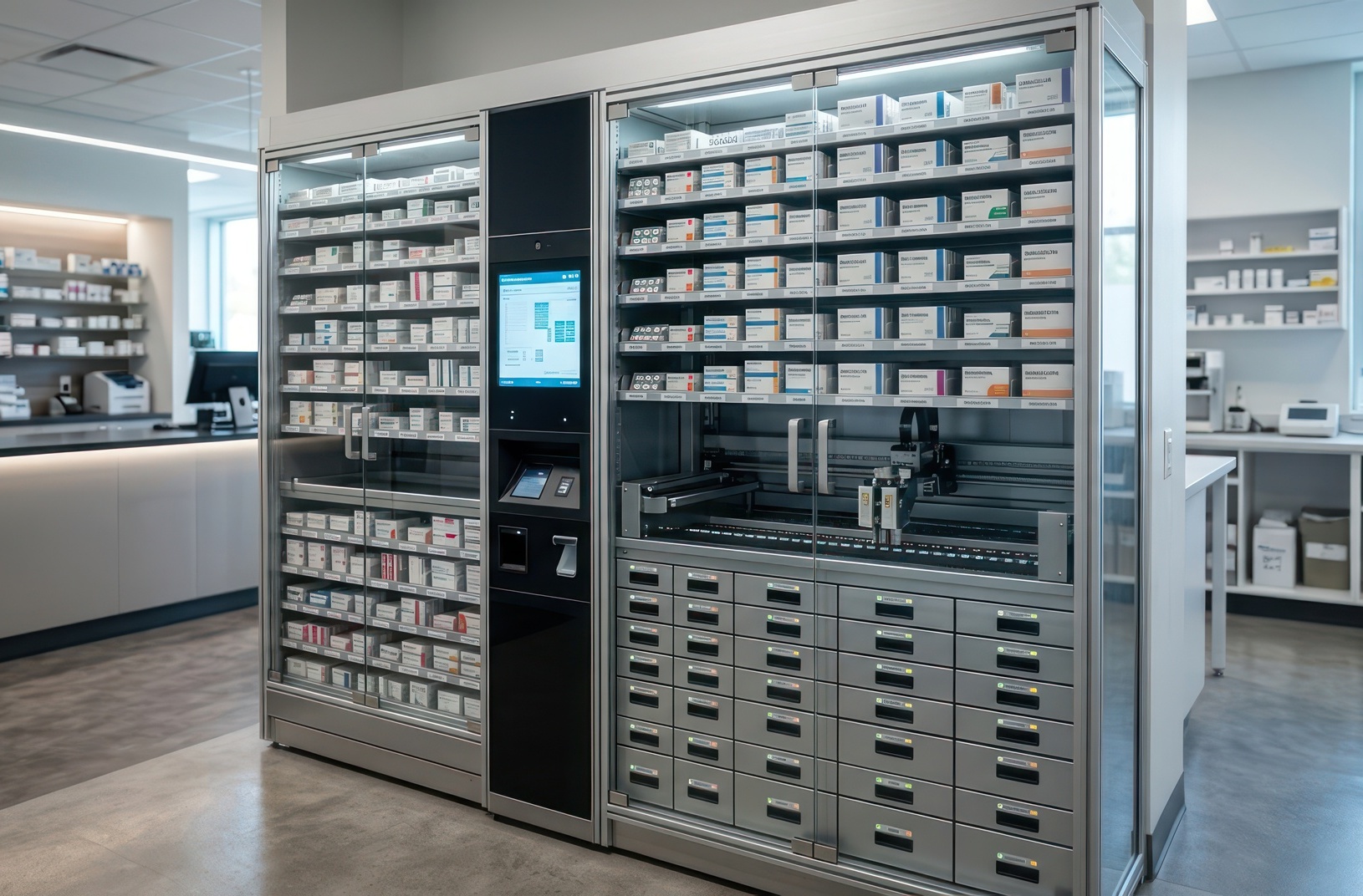
Unlike general-purpose storage lockers, cabinets used for medical equipment, medications, and other controlled items often require stricter access management and greater accountability.
Mechanical locks offer proven functionality without relying on electronic systems, making them suitable for certain basic storage applications. However, when multiple users require different levels of authorization or access activity must be reviewed, conventional keys and combinations may not provide sufficient visibility.
When paired with appropriate identification and management systems, electronic cabinet locks can support user-specific access permissions and access logs, helping administrators identify who was authorized to open a cabinet and when access occurred.
Tracking which medications, supplies, or equipment were actually removed requires additional integration with inventory or specialized management systems.
Reliability is equally important in healthcare environments. Designers must consider how authorized personnel can maintain necessary access during power outages, equipment failures, or system disruptions through appropriate and controlled backup procedures.
In these applications, effective cabinet security is not simply about convenient unlocking. It requires a careful balance between access control, accountability, and operational reliability.
How to Choose the Right Cabinet Lock: Five Key Considerations
Whether a project calls for mechanical or electronic locking, the selection process should begin with the intended application.
-
User type: Will the cabinet serve assigned users or temporary users? This influences whether keyed access, combination locks, or electronic credentials are most appropriate.
-
Frequency of use: Cabinets opened frequently require particular attention to ease of operation, durability, and maintenance efficiency.
-
Management requirements: Consider whether different access levels, usage records, or centralized administration are necessary.
-
System integration: Determine whether the lock needs to work with membership systems, logistics platforms, or other management equipment.
-
Backup and emergency access: Plan for lost keys, forgotten combinations, power outages, and system failures before deployment.
Together, these factors help determine whether a locking solution is suitable for its intended environment. The goal is not to select the lock with the most features, but the one that best supports the cabinet's function and long-term operation.
From Physical Security to Smarter Cabinet Management
As cabinet applications expand from basic storage to shared services, unattended operations, and connected systems, locks are becoming an increasingly important part of both the user experience and overall management efficiency.
For cabinet manufacturers and system integrators, selecting the right locking solution means looking beyond individual product features. Security, usability, operational requirements, and long-term maintenance costs must all be considered to develop a solution that fits the application.
Explore SINOX Cabinet Lock Solutions
From mechanical combination locks and keyed locks to electronic locking solutions, SINOX offers a range of cabinet locks designed to support different applications and product development requirements.